Home About us Products Services Contacts
+998 98 124-33-44 sales@feedcore.uz

Meat and bone meal and feed ingredients

Two products are shipping now: chicken meat and bone meal and fish meal. Feed fat, feather meal and blood meal are being prepared for launch — they are marked “Coming soon” in the catalogue.

Quality passport per batch Bags 25–40 kg, big bag, bulk Shipment from 20 t
Production

The line where the meal is born

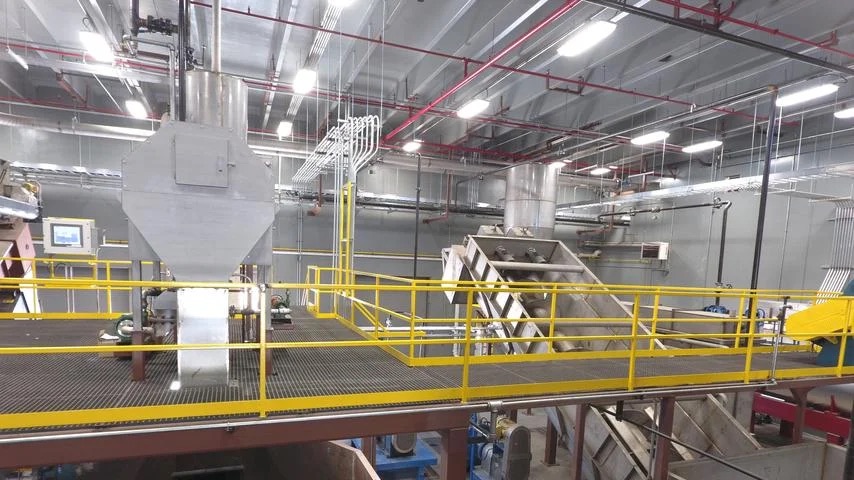
A closed conveyor: receiving hopper, grinding, heat treatment under pressure, fat pressing, drying and milling. The operator runs the process from a control panel and the automation logs the settings — which is why batches repeat.

After the 2026 renovation the site runs four such lines on ERCIM Recovery Systems equipment — up to 100 tonnes of raw material a day.

How the plant works
A processing line: hoppers, conveyors and maintenance platforms Enlarge
The processing line in the workshop
Explained

What meat and bone meal is

In short, it is a concentrate of animal protein and minerals made from non-food raw material of animal origin. In compound feed it does what meat does on a plate: it covers the protein requirement.

Meat and bone meal — a dry, free-flowing product of the heat treatment of non-food raw material of animal origin: bones, trimmings and offal unfit for food use.

The raw material is ground, sterilised under pressure at high temperature, the fat is pressed out, then it is dried and milled. The result is a stable powder high in protein, calcium and phosphorus that keeps for months and is microbiologically safe.

The whole point of the process is that material which would otherwise go to landfill returns to agriculture as a feed ingredient. One tonne of biological waste becomes protein for compound feed instead of an environmental problem.

What it replaces Part of the soybean meal and fish meal in the ration, plus separate calcium and phosphorus mineral supplements.
What it gives Animal protein with essential amino acids — above all lysine and methionine, which plant components lack.
Why it pays off Cheaper than fish meal while playing a comparable role in the ration, and independent of imports — produced inside the country.
What it looks like A free-flowing powder ranging from light to dark brown with a characteristic smell. Grind — passes a 3 mm sieve.
How to store it In a dry, ventilated room, separately from food raw materials. Shelf life is 6 months from the production date.
Typical composition

What it consists of

Ranges for our product. Exact batch figures are in the quality passport.

Crude protein 50–56%

The main value of the product — animal protein with a full set of essential amino acids.

Crude fat 10–13%

Adds extra energy to the ration.

Ash up to 28%

The mineral part — mainly calcium and phosphorus from bone tissue.

Calcium 7–10%
Phosphorus 3,5–5%

Calcium and phosphorus come in a ratio natural to the body and are well absorbed.

Moisture max 8%
Application

Who needs meat and bone meal and why

Pick a sector — we will show what the product solves there and the inclusion rate technologists usually start from.

Broilers and layers

The largest sector by volume. Meat and bone meal solves two problems at once: it provides animal protein and removes the need for a separate source of calcium and phosphorus — they are already in the bone part.

For layers the mineral part matters especially: shell strength depends on it. In broiler rations the product is used more often in the growth and finishing phases.

Guideline

Typical inclusion

Broiler3–7%
Layer2–5%
Fractionfrom 50% protein

The ranges are indicative. The final inclusion rate is calculated by your technologist from the formulation and the actual batch figures.

Finishing and growing

In pig farming the product is valued for lysine — the amino acid that grain-based rations lack. Adding animal protein evens out the amino acid profile without raising the cost per tonne of feed.

For growing, higher protein fractions are usually taken; on finishing the inclusion rate is reduced.

Guideline

Typical inclusion

Growing3–5%
Finishing2–4%
Fraction53–56% protein

The ranges are indicative — check them against your own formulation.

Fish farming

In fish feed, meat and bone meal works as a partial replacement for fish meal — it is noticeably cheaper while filling the same role as a source of animal protein.

Grind consistency and low ash content matter especially here, so we agree the specification separately for each farm.

Guideline

Typical inclusion

Fish meal replacementup to 30% of its share
Requirementconsistent grind
Fractionby agreement

For aquaculture we also ship fish meal — see product 02.

Pet food

The premium segment: here the cleaner fractions with high protein and low ash are taken. Meat and bone meal serves as the base of the protein part of dry food.

The requirements for smell, colour and batch-to-batch repeatability are higher than in the agricultural segment — such supplies run to an individual specification.

Guideline

Typical inclusion

Dry foodfrom 10%
Requirementlow ash content
Fractionpremium, 56%

We agree the specification and ship with an arbitration sample for every batch.

Fur farming

Mink, fox and arctic fox are carnivores, and their ration is built around animal protein. Meat and bone meal goes into the feed mix as the base protein component.

Fat freshness is critical here: palatability and coat condition depend on it directly.

Guideline

Typical inclusion

Feed mixto the farm's formulation
Requirementfresh fat
Shipmenton regular trips

We work to a delivery schedule so the product does not sit in the warehouse.

Product 01 — main

Chicken meat and bone meal

A product of the heat treatment of non-food poultry processing raw material. A source of complete animal protein, calcium and phosphorus in a natural ratio. Produced in several protein fractions — for a specific formulation.

  • Poultry and pig farming — the protein base of compound feed
  • Pet food — premium fractions
  • Aquaculture — to an agreed specification
  • Fur farming and feed production
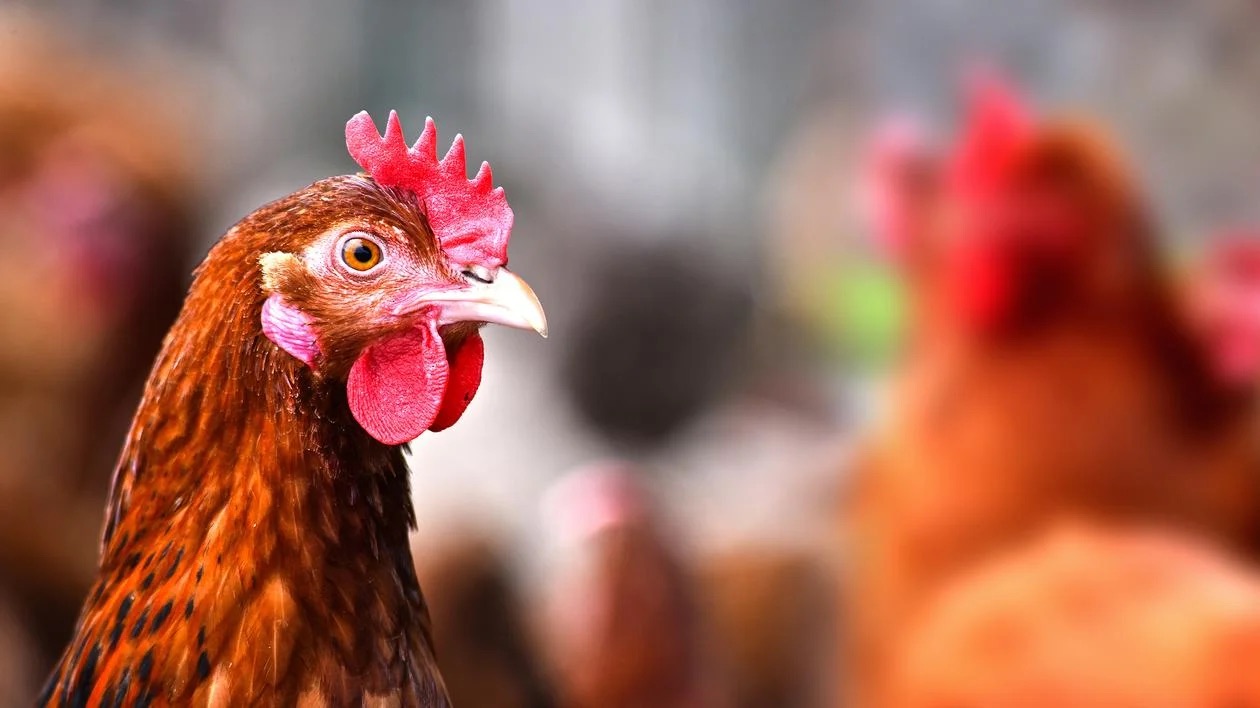
Hens on a poultry farm — the raw material source for chicken meat and bone meal Enlarge
Raw material — non-food poultry processing products. Click to open the photo in full
Indicators

Typical specification

Crude protein50 / 53 / 56%
Crude fat10–13%
Moisture contentmax 8%
Ashmax 28%
Calcium7–10%
Phosphorus3,5–5%
Fibremax 2%
Salmonellanot permitted
Grindpasses a 3 mm sieve
Shelf life6 months

The actual batch values are stated in the quality passport. The specification can be agreed individually.

Indicators

Typical specification

Crude proteinper specification
Moistureper specification
Packagingbag 25 kg, big bag
Documentsquality passport per batch

The actual batch figures are confirmed by the quality passport. We agree the specification to suit your formulation — we will send it on request.

Product 02

Fish meal

A high-protein component made from fish processing raw material. Valued for its amino acid profile and essential fatty acid content — it works where plant protein cannot cover the ration.

  • Aquaculture — starter and grow-out feeds
  • Poultry — in the early phases of finishing
  • Premium feeds for pets
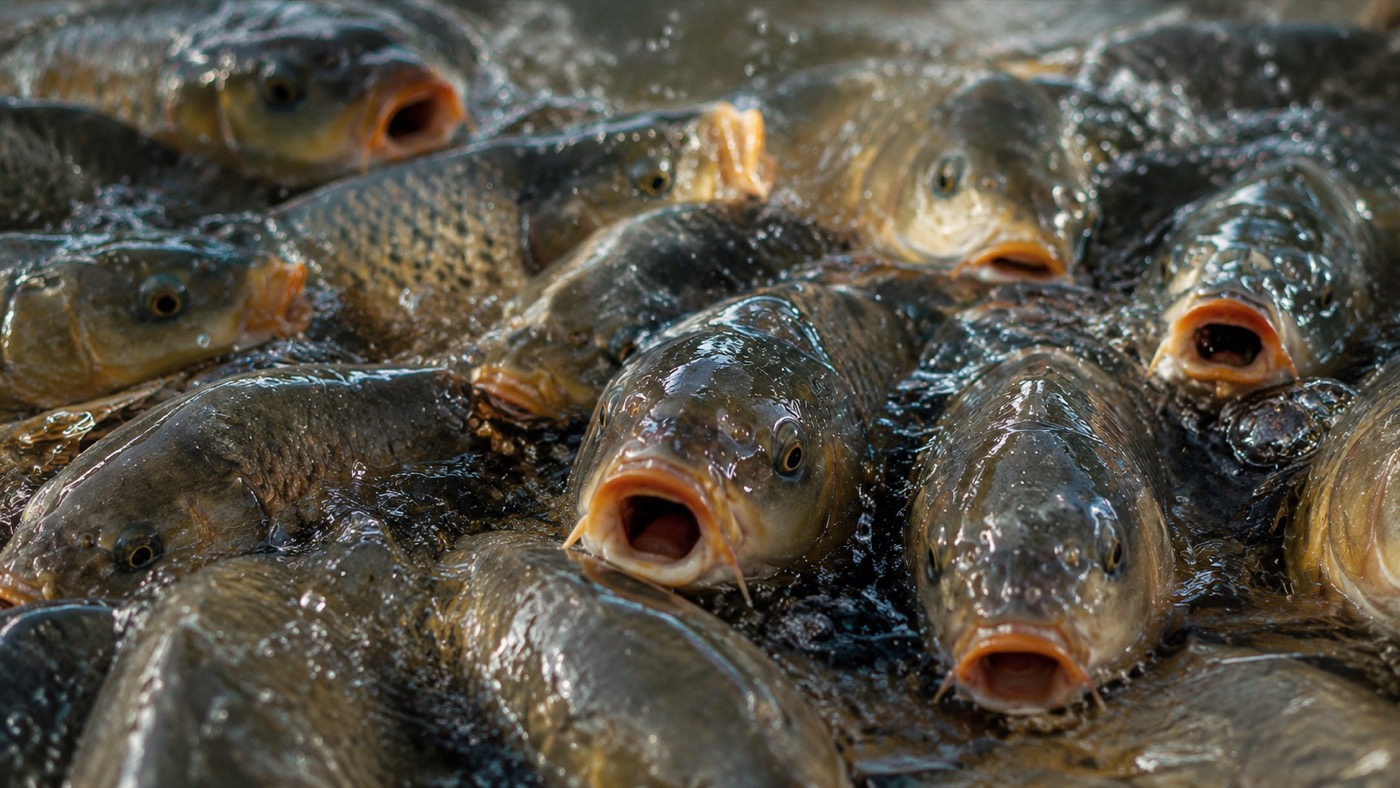
Fish in a pond — fish processing raw material for fish meal production Enlarge
Raw material — fish processing products. Click to open the photo in full
In preparation

Expanding the range

We launch these products once all four lines reach their design capacity. Leave your contact — we will tell you when shipments start and send the specification.

Coming soon
Product 03

Feed fat

Technical animal fat for feed use. Gives a high energy concentration in the ration, reduces dust in compound feed and improves pelleting.

Acid valuemax 20 mg KOH/g
Moisture and volatilesmax 1%
Solidification point32–40 °C
Shipmenttanker, 1000 l IBC
Tell me when it launches
Coming soon
Product 04

Feather meal

Hydrolysed keratin protein from feathers. High protein at a moderate price — used as a partial replacement for expensive protein components.

Crude proteinmin 78%
Digestibilitymin 75%
Moisturemax 8%
Packagingbag 25 kg, big bag
Tell me when it launches
Coming soon
Product 05

Blood meal

A concentrated source of protein and lysine. Used selectively, in small inclusions, to balance the amino acid composition of a ration.

Crude proteinmin 85%
Lysinemin 6.5%
Moisturemax 9%
Packagingbag 25 kg, big bag
Tell me when it launches
Comparison

How the products differ

All five are sources of animal protein, but they play different roles in a ration. Meat and bone meal works as the base, the others are used selectively.

Product Protein Role in the ration Distinctive feature Status
Chicken meat and bone meal 50–56% Main source of protein and minerals Calcium and phosphorus in a natural ratio Shipping now
Fish meal per spec. Protein for aquaculture and premium feeds A valuable amino acid profile Shipping now
Feed fat — Energy, not protein Reduces dust, improves pelleting Coming soon
Feather meal from 78% Partial replacement for expensive protein Keratin, limited inclusion Coming soon
Blood meal from 85% Balancing lysine The most concentrated, small inclusions Coming soon

Figures are typical. The actual values of every batch are confirmed by the quality passport.

Packaging and logistics

How the product reaches you

We choose the packaging to suit your warehouse and unloading method. We arrange delivery with our own transport or ship for self-collection.

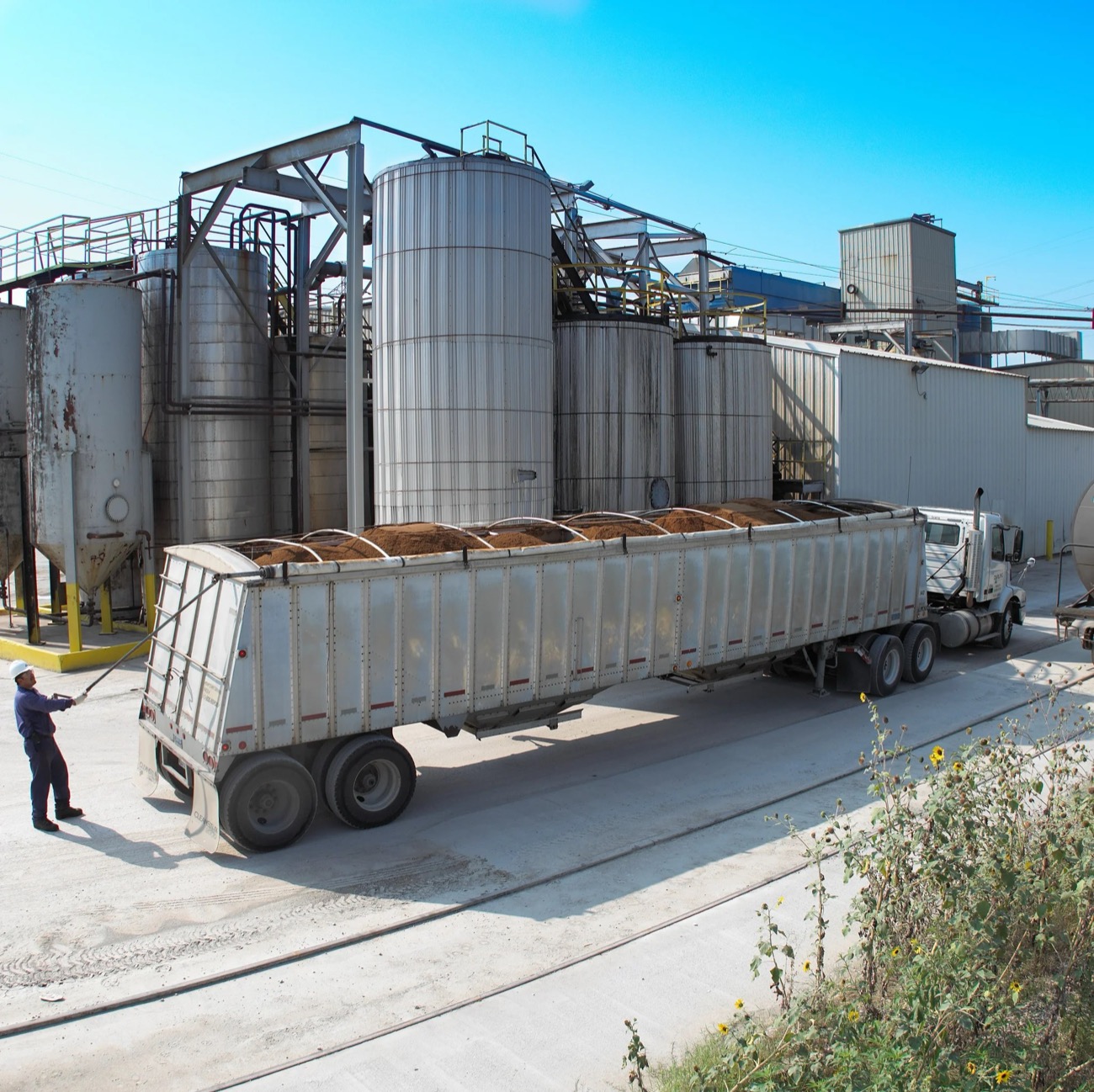
Shipping finished product in bulk: a semi-trailer being loaded beside the plant silos Enlarge
Bulk shipment from the plant site

Packaging

Bag 25–40 kg

Polypropylene with a liner, on a wrapped pallet.

Packaging

Big bag 500–1000 kg

For warehouses with a forklift and a receiving hopper.

Packaging

Bulk

A meal tanker or tipper — for large feed mills.

Batch

from 20 tonnes

Smaller volumes by agreement, with a shared load.

Questions

Frequently asked questions about the products

Yes. We send a sample with a laboratory report — you verify the figures on your side and only then decide on volume.

We work with a uniform raw material flow and fixed line settings, so protein usually stays within a ±1.5% corridor. The actual values for each shipment are stated in the quality passport.

Yes, for protein, fat and grind. For regular volumes we agree the specification as an annex to the contract.

In a dry, ventilated room, out of direct sunlight and separately from ruminant feed if your regulations require it. Standard shelf life is 6 months from the production date.
A quality passport for the batch, a delivery note, veterinary accompanying documents and, if required, a laboratory test report.

Price list

We will send prices and a specification within the day

Tell us the product, the volume and the delivery region — we will calculate the cost including logistics.